Searching for a clinic’s name and searching for a service in Barcelona are different moments. In one, someone already knows something about you; in the other, they are still gathering options. Our SEO for aesthetic clinics in Barcelona identifies the searches the centre can respond to and prepares pages that introduce its services, team and consultation process.
At Lead The Mood, we review the current situation, order priorities and implement the agreed work with Code Barcelona’s design and development team. The clinic contributes its care expertise and approves service information. We turn that material into useful pages, review technical foundations and coordinate local presence, with follow-up that helps decide what needs attention next.
See what appears today and which service you want to develop
We start with the website, its structure and the pages Google is showing. Where access is available, we review Search Console to distinguish brand searches, services and informational queries. Those signals are compared with the centre’s offer and existing pages. The result is a priority map: missing information, pages needing improvement and technical issues that may prevent the work from appearing correctly.
The Barcelona location enters that diagnosis through the actual address and the area the clinic can serve. We ask which services have availability and where identifiable enquiries come from. A treatment page, a team introduction and a location page address different needs. The proposal identifies where we will begin and why, alongside the materials required from the team to implement that first stage.
The brand
What someone who already knows the clinic’s name finds when checking its information.
The service
Which pages explain the offer and respond to searches related to it.
The location
How the centre is introduced, where care takes place and the next step for contact.
Give every page a purpose you can explain
Content is organised around actual services and the decisions people are making. A treatment page introduces the service, practitioner and consultation process using approved information. The centre page covers address, team, hours and contact. Blog guides can develop questions needing more room. Before writing, we agree what belongs on each page and how it links to the rest, avoiding several versions of the same explanation.
In Barcelona, we review the relationship between service and location without assuming a neighbourhood name defines its patients. If a search includes Eixample or Sarrià-Sant Gervasi, we check its relevance to the centre’s location and offer. Languages are also chosen around available care: an English version needs adapted content and someone able to continue the enquiry. Each new page needs a brief and information of its own.
- SearchA need that fits the clinic’s offer
- UnderstandA page with its own purpose and information
- Choose contactThe visitor knows how to request a consultation
- RespondThe centre continues the conversation
Maintain the information people check before arriving
We review the business profile and its relationship with the website: address, categories, phone, hours, images and destination page. The centre confirms details and changes that may affect a visit. Practical explanations about access or the building entrance can resolve questions reception knows well. Where there are several locations, each centre’s information and the person maintaining it are identified.
Google explains that local results combine relevance, distance and prominence. That framework helps define the work and its limits. We specify improvements to information, pages and local presence, then review their progress. The proposal concerns that work and its deliveries; positions and the appearance of individual results depend on Google’s systems and the search context.
Publish information the clinical team can support
Copy is prepared with identified contacts and information sources. The clinic approves care explanations, practitioners’ roles and centre details. We organise reading, links and commissioned language versions. Indexing, URLs, metadata and the mobile experience are also reviewed within the technical scope. Where an improvement needs development or a new function, it is specified before joining the schedule.
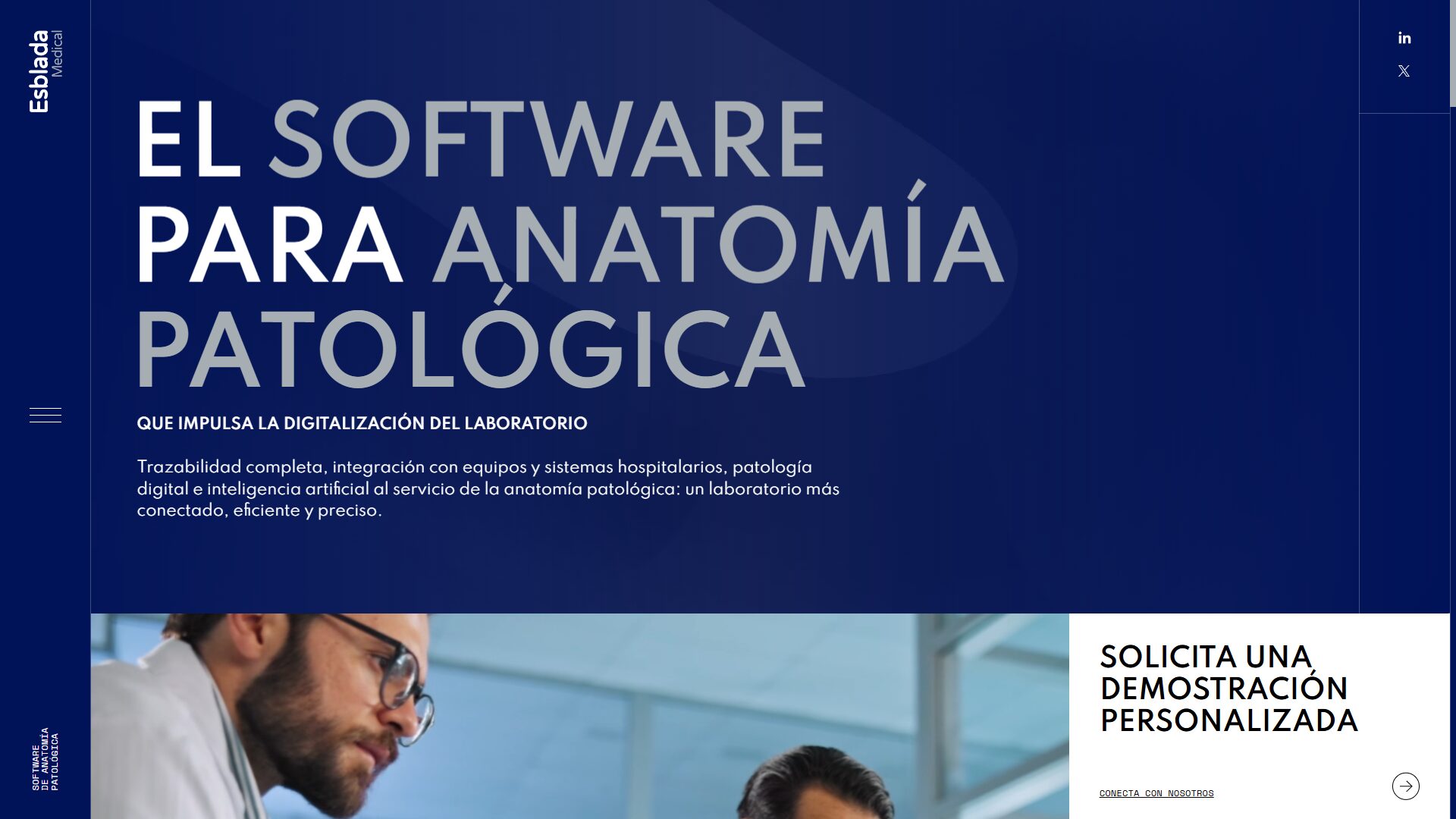
For Esblada Medical, an anatomical pathology technology provider, the group developed a corporate website with a solutions catalogue. The case illustrates product information organised for digital use. Your Barcelona clinic’s website design intervention is defined around the existing foundations; SEO has its own pages and reviews. If images or interviews are needed, we coordinate material with content production.
Review changes that help choose the next task
Follow-up relates interventions to observable pages and searches. Search Console reports impressions and clicks; enquiries need their own measurement and centre confirmation when their progress is reviewed. We agree which contacts can be recorded, keeping different signals separate rather than adding them together as appointments. Each review ends with priorities: a page to complete, a question to explain or a problem to resolve. Each delivery records pages changed, content awaiting approval and technical tasks completed, giving the clinic a practical record of the work.
The proposal distinguishes diagnosis, initial implementation and continuity, with pages, languages, reviews and responsibilities defined. Additional development and production have their own scope; advertising has a separate budget. Our published plans and terms, aesthetic clinic SEO service and Barcelona clinic marketing explain the wider options. The commission is adapted to the starting point and the team’s capacity to contribute and approve information.
Review how people find your clinic today
Send us the website, Barcelona location and services you want to develop. Tell us who can approve information and whether search history is available. We can then prepare an initial review and propose priority pages and interventions.