The Reel is approved, but the footage is missing. There is a team photograph, although one person pictured has left the clinic. Next month’s calendar has spent several days being referred to as “next month’s calendar”. Managing an aesthetic clinic’s social media includes resolving these small details. When a quote only lists posts, a substantial part of the work can disappear from the conversation before the commission has even begun.
Planning aesthetic clinic social media for 2027 means considering management, materials and production together. Prepared on 19 October 2026, this guide uses currently published commercial references and calculations conditional on those amounts remaining unchanged. A 2027 proposal must confirm prices and scope. We will review what to compare, how to budget a quarter and what each team needs to deliver so content reaches the profile with a recognisable presentation. Financial references concern a Spain-based commission.
A management retainer needs to explain who does the work
An agency might receive finished photographs and copy, design posts and schedule them. Another might meet the team, research topics, prepare a shoot, film, edit and present a complete calendar. Both manage social media, but their commissions differ. Describe your starting position: channels, materials, practitioner availability and the person approving content. That makes it easier to identify what you want to delegate and which work will remain with the clinic, including information and final review.
Our social media service for aesthetic clinics agrees that division before production. One topic may require a short interview; a care-related explanation needs professional review; arrival information needs confirmation from reception. The agency organises and prepares pieces while the centre provides what only its team knows. Ask the proposal to identify those contributions and when they are needed. The calendar has to coexist with appointments and the clinic’s available time for preparation and approval.
Plan, coordinate, publish and review.
Prepare and capture the images needed.
Select, edit, design and write.
The relationship between these parts matters more than filling calendar slots. A schedule with many videos needs footage and editing time. If the clinic only has older portraits and cannot reserve a shoot, the proposal needs adjusting. Producing an initial library or beginning with formats that can be prepared properly may make sense. The quote should explain that choice, alongside the conditions for extending delivery when new material becomes available. Both teams need a workable starting point.
Current prices and what they mean across a year
Lead The Mood’s published plans, checked in October 2026, place Esencial from €750 a month, with two channels, eight monthly pieces and quarterly production. Crecimiento starts at €1,400 a month, adds monthly production and wider digital support. These are starting references; channels, formats, allocation and terms for a specific clinic need confirmation. Compare the overall service and materials required, rather than treating the difference as a price for a few more posts.
The table projects those retainers over three and twelve months, assuming the amounts remain unchanged and the centre commissions the full period. It is a planning calculation before VAT. It does not announce future fees or add a separate shoot to production already included. Nor does the difference between plans establish a cost per post: wider support can cover different tasks that must be specified in the proposal. Read each calculation alongside its scope and assumptions.
| Current reference | Three months at the starting amount | Twelve months at the same amount |
|---|---|---|
| Esencial · from €750/month | €750 × 3 = €2,250 | €750 × 12 = €9,000 |
| Crecimiento · from €1,400/month | €1,400 × 3 = €4,200 | €1,400 × 12 = €16,800 |
Current terms specify an initial three-month commitment, followed by monthly continuation with thirty days’ notice. This is a commercial condition without a guarantee of results by day ninety. Before commissioning work for 2027, confirm billing dates, travel, revisions and arrangements for outstanding deliveries. An opening, another location or a team appointment may need specific production. Agree that extension before implementation, with its own price and deliveries, so it can be assessed alongside the existing programme.
Advertising needs a separate discussion. Producing a piece, managing a campaign and paying for media are different tasks and costs. The quote should identify which are included and what the centre pays to the platform. The Google Ads and Instagram Ads comparison for aesthetic clinics helps place that decision. A social media retainer alone does not establish that campaigns or media investment have been commissioned. Ask for those arrangements to be described explicitly.
Shoot frequency changes what the clinic can show
A library produced once may cover premises, portraits and material for continued use. Recurring shoots can incorporate developments, new people or explanations needing fresh footage. Frequency should follow that need. Ask what is prepared beforehand, how many hours are reserved at the centre, who participates and what is delivered afterwards. “Shoot included” needs those details for both parties to organise it. Otherwise the calendar may depend on materials nobody has arranged to capture.
Anna Yanovski’s photograph of a London clinic, with interiors by YASSPA Design, shows reception, seating, lighting and the depth of the space. It provides a reference for preparing purposeful interior images. Photography authorship is credited in the Behance project. Your shoot must show your own premises, with compositions prepared for the places where the images will appear. The external reference supports that conversation about preparation, rather than presenting the pictured clinic as an LTM client.
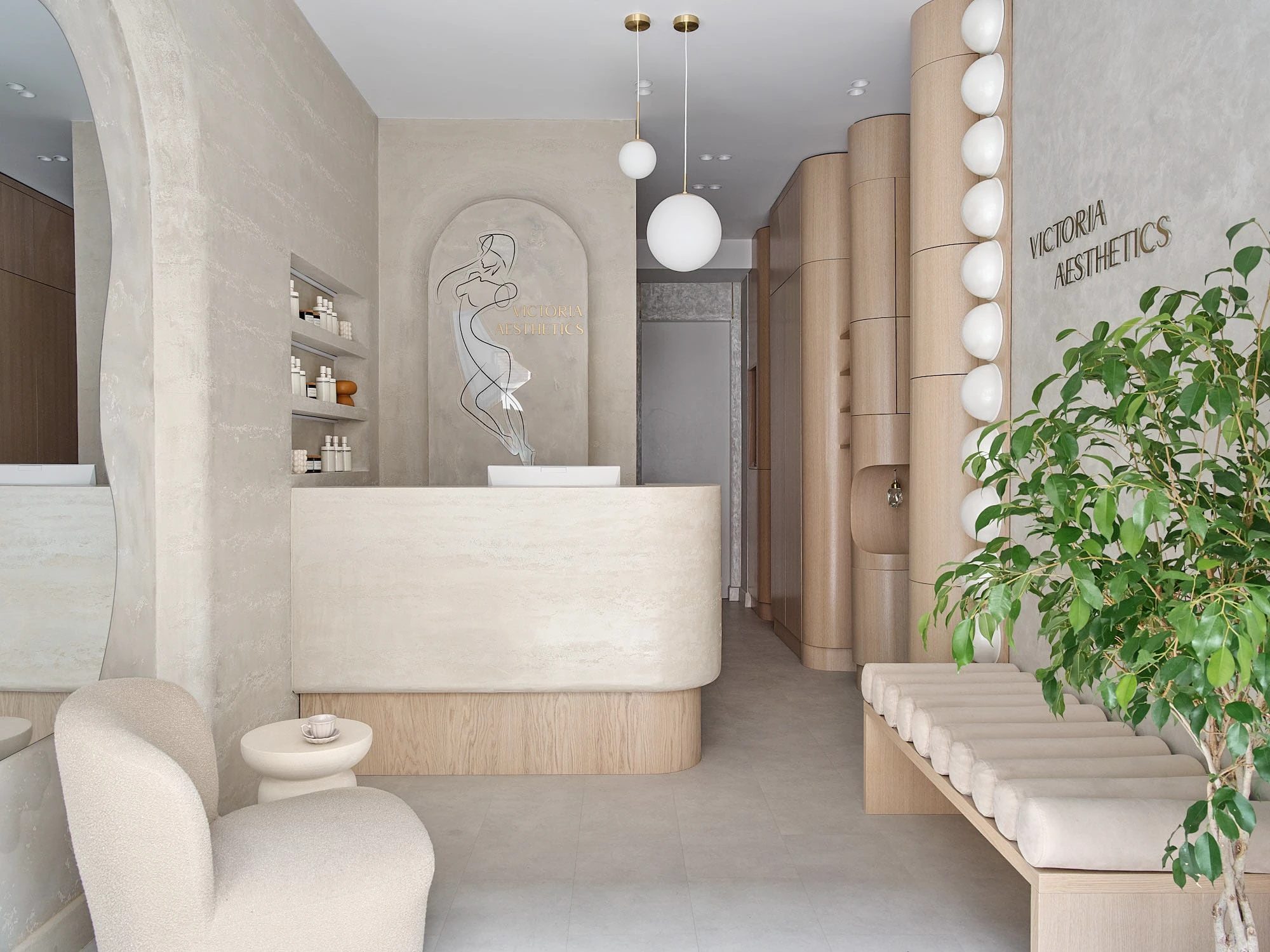
Before booking the date, connect each shot with a possible piece. A horizontal photograph may work on the website but need a different composition for a vertical post. Spoken video needs sound, a prepared message and editing time. The aesthetic clinic photo and video shoot guide develops that preparation. Avoid budgeting camera hours alone where the brief also needs selection, editing and adaptations. Those stages turn the captured material into something ready for publication.
The clinic provides availability and conditions for using spaces and involving people. Agree what can be filmed and which information needs review before publication. Working with practitioners and prepared areas may be enough, without interrupting care. External participants or a different production approach need specification. The team should arrive knowing what it needs to capture, with the materials and approvals required to do it. Preparation also makes limited practitioner availability easier to use well.
Eight pieces can represent very different workloads
A piece needs a recognisable idea and delivery. A carousel may require research, writing and several compositions; a video may need shot selection, editing, sound, captions and a cover. The proposal should explain the formats included and their review process. Distinguish original content from adaptations too: placing the same idea on two channels does not mean two distinct topics have been produced. That distinction makes it easier to compare the work rather than the number of publishing destinations.
Olya Cooper’s dr.saash project on Behance shows an identity applied to social pieces and a phone presentation. The relationship between typography, colour and images helps discuss a family of posts. This is a design reference without attributing commercial results or authorship to LTM. Your brief needs to define the clinic’s own direction and how it continues across formats, copy lengths and available materials. A recognisable system can support variety without making every piece look identical.

If eight original pieces a month are agreed for three months, the calendar contains twenty-four. Publishing them on two channels does not turn that into forty-eight original ideas. To choose topics and formats, our aesthetic clinic Instagram content guide offers an editorial exercise. The management quote should identify which parts of that process it covers: preparing topics, producing materials, writing, designing, adapting and scheduling. Each stage needs an owner and a reviewable delivery.
Include a reading and sound review. Text on an image needs a suitable size and contrast for mobile. Video captions need checking, especially names and professional terminology. W3C’s audiovisual planning guidance recommends considering accessibility needs from the brief. Ask which versions and supporting materials each piece needs and who prepares them. They can then be budgeted and reviewed alongside the rest of the editing, before a publication date is committed.
Approval, messages and review belong in the retainer too
The calendar should gather image, copy, channel and intended date before publication. One clinic contact consolidates comments; the appropriate professional reviews information requiring care-related approval. Agree revision rounds and how corrections differ from a new commission. Changing opening hours before scheduling and replacing an edited interview require different work. Identify both without turning every adjustment into an improvised negotiation. The proposal should leave enough clarity for routine changes to be handled and larger changes to be assessed.
Piece, copy, channel and date together.
Consolidated comments on one version.
Approved content with destinations checked.
Questions and data for the next delivery.
Community management needs coverage hours, owners and response boundaries. A general location question can use confirmed information; an appointment request passes to reception; an individual care question requires the centre’s professional route. Define who receives each type and how the handover is checked. Comment management does not establish permanent reception cover. The proposal needs to describe the service actually commissioned, including escalation and what happens outside the agreed hours or when the named contact is unavailable.
Reporting can cover delivered posts, outstanding materials, interaction, profile visits and observable enquiries. Confirmed appointments need checking with the clinic. Use that information to choose new pieces or improve contact, recognising where an enquiry’s origin remains uncertain. The guide to enquiries that do not become appointments develops this journey. Followers and views help describe activity; investment decisions also need to consider what happens afterwards, with the available evidence and its limitations made clear.
Prepare 2027 with a library and reviews that can continue
The Clínica Dental Dr. Anmella identity, by the Code Barcelona group, shows a brand applied across different materials. That continuity is relevant here: a piece remains recognisable when its size or purpose changes. It is a dental identity project presented within that scope, rather than an aesthetic clinic acquisition case. The visual direction agreed for your centre should be able to accompany the year’s deliveries, with room for different people, subjects and formats.
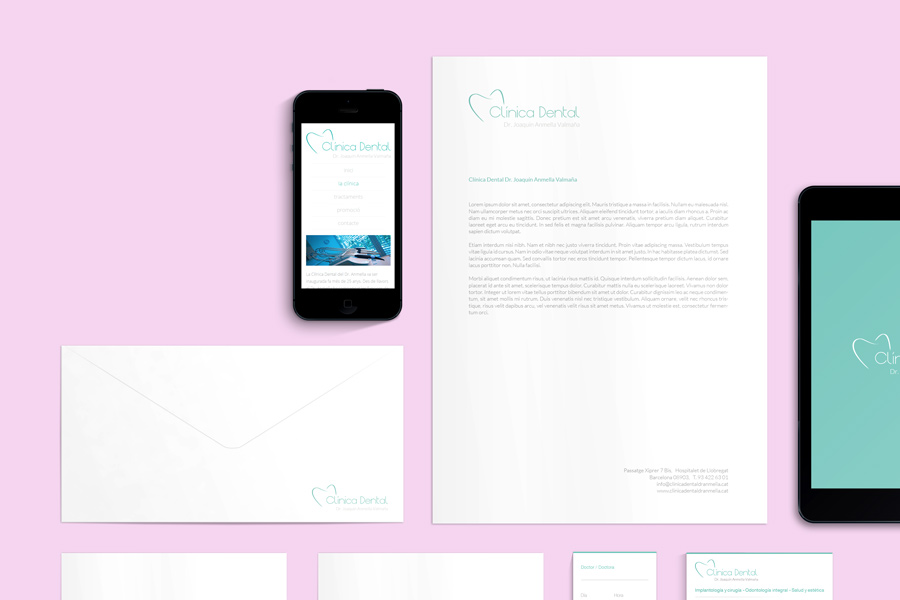
For the first quarter, prepare a library of people, premises and practical information. Subsequent reviews can check what remains current and what needs another shoot. A new practitioner, changed hours or another location may alter planned materials. The annual calendar anticipates those needs and reserves production. Topics follow the clinic and available evidence, without depending on a prediction of which format a platform will favour several months from now. Leave room for changes the team can actually identify.
Tell us which social media work you want to delegate in 2027. Current channels, materials and team availability let us propose management, production and content within a reviewable commission. Lead The Mood works with the Code Barcelona group’s strategy, design and development team. The intention is straightforward: move the calendar out of the list of unfinished tasks and give it publications the clinic can recognise as its own, with an agreed process for continuing that work.