A fringe apparently cut with a ruler. A neck consuming half a shirt. A pink-clad grandmother who delivers her verdict in ten seconds. The AI influencers worth watching for 2027 share something: you can recognise them before reading their names. We have selected ten characters to explore how they build that identity, what they do with it and what brands can learn. Expect humour, fashion, educational content and a gym where proportions have taken the day off.

These profiles are interesting for reasons beyond whether a face looks real. A character can have an impossible appearance and a very clear identity. It can move between settings without losing its appeal, provide continuity for an explanation, star in a series or become an organisation’s spokesperson. Images give it a face; editorial work decides what it has to say and why anyone would come back.
This selection was prepared in October 2026 to inspire planning for 2027. Cases retain their original dates and creators. We chose profiles that illustrate decisions about character, format and communication; their possible business applications are our analysis. Public figures are dated to our observations. Account popularity and campaign results measure different things, and understanding them means leaving unknown details unfilled.
To place these examples in your content calendar, combine them with our social media trends for 2027. If you already have a character idea, the next step is our guide to creating an AI influencer in 2027.
What is an AI influencer, and what makes it a character?
An AI influencer is a character whose image or part of its production uses artificial intelligence, publishing content under a recognisable identity. A person, studio or brand may be behind it. To study its communication, separate three things: appearance, production method and relationship with the audience. A generated photograph can handle the first post. Maintaining an account asks for considerably more.
Virtual influencers also include characters created through animation and digital techniques predating today’s tools. The UOC explains this variety of creation methods. Check technical origins case by case. We should also avoid assuming an avatar publishes, negotiates or responds independently: those tasks belong to its team’s work.
A strong identity leaves specific answers. What matters to the character? What humour does it use? Where does it appear? How does it speak when introducing a product? Which details preserve continuity? If those answers change with every video, an account can accumulate striking images without developing a personality. The following cases illustrate different ways of addressing that problem.
01 Benjamin Stachio and the power of an absurd silhouette

Benjamin makes anatomy his signature. Moustache, neck and clothing create a silhouette recognisable even in a crowded shot. Dancing completes the job: the character occupies the scene’s centre while the surroundings retain the look of a video found after an ordinary night out. The protagonist supplies the oddness; the familiar setting gives us a reason to keep watching.
@benjamin_stachio displayed 102,680 followers and 17 posts when we checked on 13 October 2026. Those are account observations from that date. Their relevance here is the concentrated repertoire: an appearance, an attitude and a scene type recur. Recognising the formula helps viewers understand the next video without needing an introduction.
What a brand can learn. Design an identifiable trait before expanding formats. An illustration, mascot or virtual host can preserve a posture, accessory or way of entering a scene. For a café, we might imagine a fictional, excessively solemn host presenting each breakfast as a ceremony. That would be a new creative proposal with its own identity, and it would need to work after the image’s novelty had worn off.
Visual continuity is the useful detail. The shot can change, while viewers receive an immediate cue for remembering who is there. Develop that cue alongside the company’s identity. If people remember the character but forget the brand, an entertaining piece has a weak commercial connection. A signature gesture, palette or closing moment can help link the two.
02 Jean Phil and a character defined by a gesture

Jean Phil combines a particularly recognisable haircut, moustache, suit and movement. For marketing, the economy of that construction is interesting. We understand the character through what he does and how he occupies space. Repeated gestures and clothing make different scenes feel like chapters in one world. A seemingly casual appearance contains a small piece of staging.
His original profile showed 244,399 followers and 12 posts on 13 October 2026. Higgsfield includes him with Abu Shalab and Derek Mercer in a piece credited to AI Influencer. That credit documents the specific piece; reconstructing an account’s complete production history requires further information.
What a brand can learn. Give the character an action of its own. A host might inspect the details of a space, compare two ways of using a product or organise a problem before explaining it. The action should allow repetition with variations. That makes a series easier to write, with a familiar opening and a different surprise each time.
There is an art-direction lesson, too. Expressive clothing and gestures can make an everyday background sufficient. For a business with limited resources, this raises a useful production question: which decision deserves most effort, and which part can stay simple? Coherent decisions usually contribute more than a collection of unrelated sets.
03 Abu Shalab and a format that can travel

Abu uses an elongated figure, compact hairstyle and expressiveness that dominates the frame. Setting provides variation while the character preserves its identity. This structure is useful for thinking in episodes: change the location, reason for visiting or situation without starting again. The audience receives a mixture of recognition and novelty that supports a continuing series.
His original profile displayed 537,320 followers and 30 posts on 13 October 2026. Watching several pieces reveals more editorial information than focusing on the count. What stays constant? What changes? How quickly does each piece establish its situation? A brand can answer these questions by watching, without attributing sales it cannot verify.
What a brand can learn. Prepare a format that accommodates new locations and circumstances. A hotel-chain character could explore room types; a festival mascot could discover different spaces; a shop could introduce collections through one recurring little scene. First define what the character adds and how its story connects to the product.
A series needs narrative variation as well. Changing only the background may produce many pieces with few reasons to return. Alternate a visual surprise, a question, a comparison and an interaction with another character. The format can preserve its identity while the content has a specific task to resolve.
04 Derek Mercer and the comedy of a niche
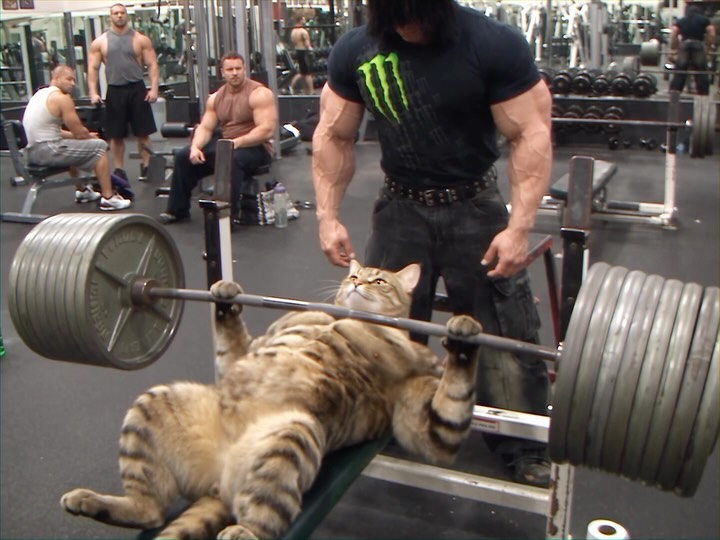
Derek takes gym imagery to deliberately exaggerated proportions. His repertoire illustrates how a character can draw on codes an audience already knows: training routines, workout partners, poses and the solemnity of discussing a session. Exaggeration has a recognisable frame, and much of the comedy comes from that relationship.
We recorded 67,577 followers and 35 posts on his original account on 13 October 2026. The featured post includes a Higgsfield credit. It lets us study a real piece and a specific production attribution, without treating a tool tag as a complete account of the creative work.
What a brand can learn. Find situations shared by its community. A cycling business knows the conversations about the first climb, equipment and stopping for coffee. A bookshop knows the ever-growing unread pile. A character can dramatise these small contradictions with humour. The connection appears when people recognise their own experience in the scene.
Commercial treatment needs tact. If a character exaggerates a problem, the product can contribute to the outcome. If every episode ends with an identical offer, the formula loses some charm. Separate entertainment episodes, explanations and selected introductions to the offer. Calendar and personality develop together.
05 Aitana López and an identity you can recognise
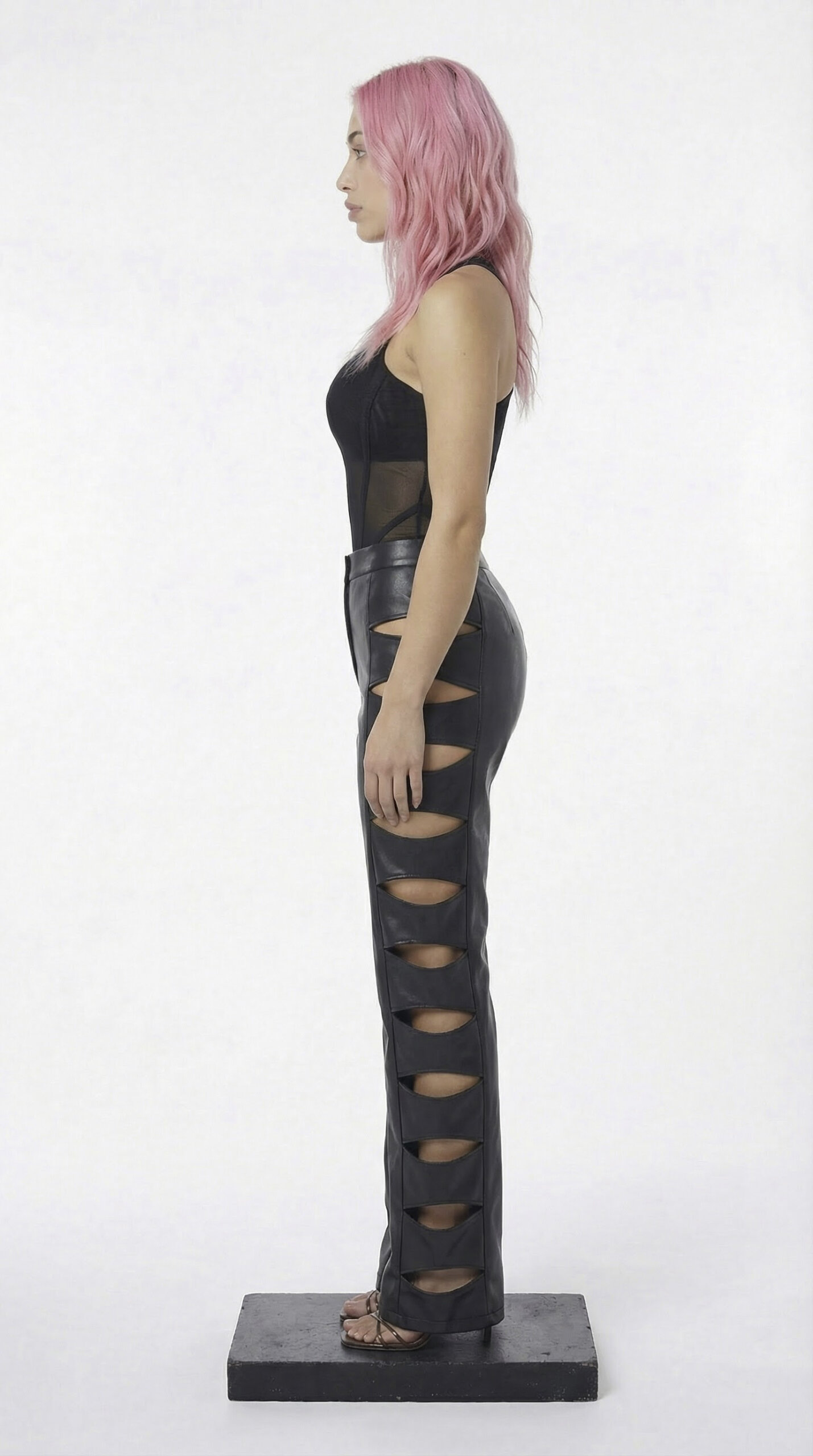
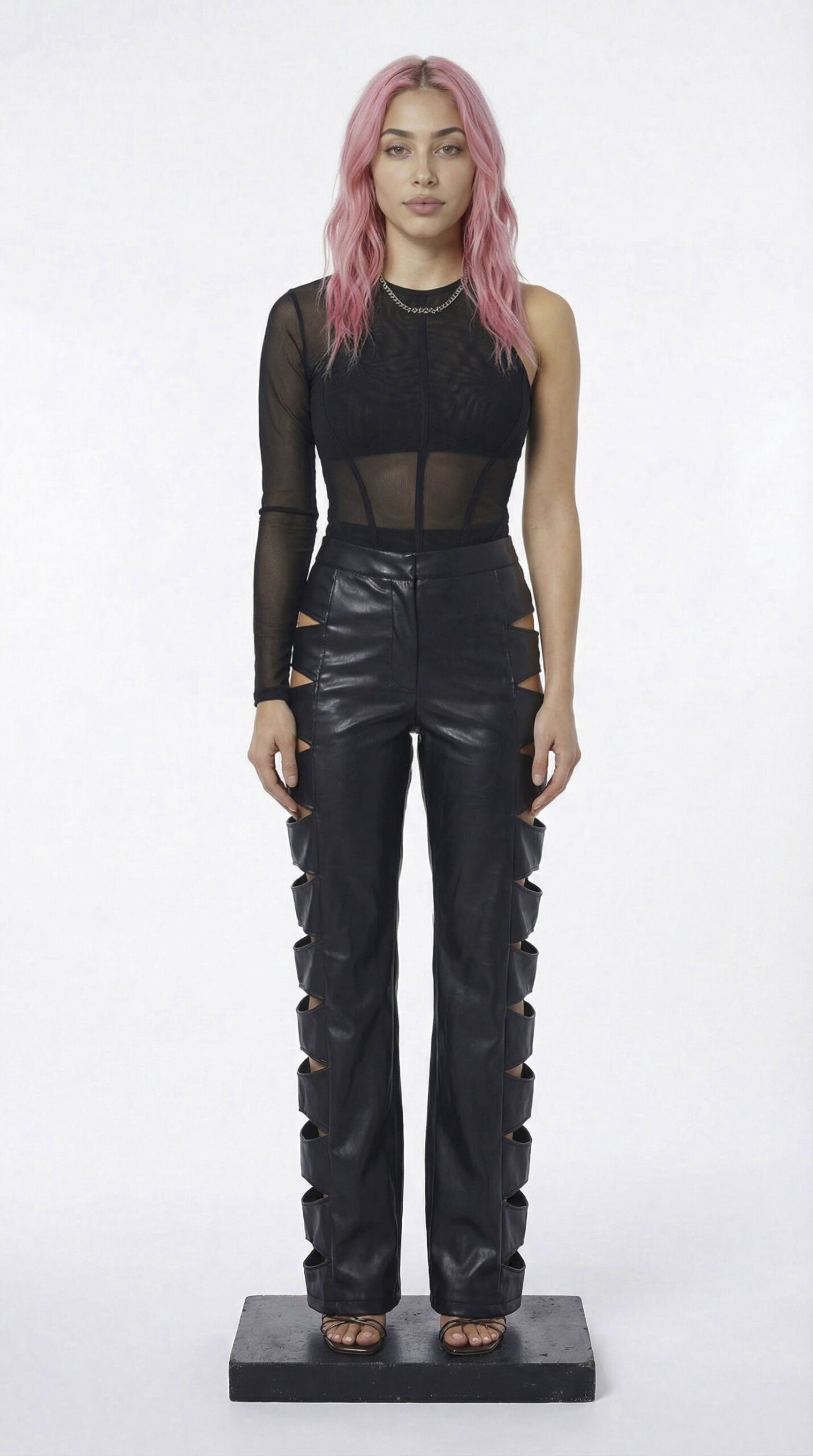
The Clueless presents Aitana in its portfolio as an AI-created character. Pink hair provides a clear visual trait for studying recognition and continuity. Project images show an identity maintained across different views and compositions. For a brand character, that work matters as much as achieving an eye-catching first image.
What a brand can learn. Create a small visual guide before producing a whole campaign. Include consistent face views, body, clothing, colours and expressions. Review how the person appears in wide shots and close-ups, too. A feature that stands out in a photograph can disappear when framing becomes a small mobile thumbnail.
Continuity has a verbal dimension. If a character changes attitude to accommodate every promotion, its identity becomes interchangeable. A brand should define suitable collaborations, subjects it can address and messages that preserve recognition. That editorial selection can be as useful as the reference-image archive.
The case also invites consideration of the relationship between character and team. The account is the visible face; conceptualisation, production, reviews and management have responsible people behind them. Understanding that division matters when assessing a commercial project, especially where multiple versions, markets or languages are involved.
06 Maia Lima and the value of a different personality


Maia belongs to The Clueless character catalogue. Comparing her visually with Aitana provides an art-direction exercise through differences in hair, clothing and attitude. One agency can build identities that feel like more than differently coloured versions of the same person. Personality starts with those differences and should continue in what each figure says.
What a brand can learn. Justify each character through its role. A company needing several spokespeople can divide jobs: introduce updates, answer questions or guide an experience. It might instead use one figure and reserve other resources for additional tasks. Available content and the resources for maintaining each identity should inform that decision.
To plan that division, we would first write three situations for each character: a recommendation, a reaction and an explanation. If their responses are interchangeable, the identities still need definition. This inexpensive writing test can save many hours producing a character that ultimately has nothing distinctive to say.
07 Alba Renai and the role of a presenter

BE A LION introduces Alba Renai as an influencer generated and trained with AI. Telecinco documented her hosting Supersecretos in the digital coverage of Supervivientes 2024. This is a dated reference for a specific editorial role: introducing and organising content within a format that already has an audience.
What a brand can learn. Start with a useful function. A character might introduce demonstrations, accompany a tour or explain service updates. It would have a reason to appear and a script that lets us assess whether the piece makes sense. Check message clarity before debating whether the image is spectacular enough.
The example also helps us consider a character’s place within an ecosystem. A virtual presenter can coexist with people, product content and graphics. A business can use it in particular formats while keeping its team visible elsewhere. The division should make the offer clearer and help people recognise those making it possible.
08 Ecovidrio’s Arán and education with a mission

VIA Talents identifies Arán as an AI-created Ecovidrio avatar for communicating about glass recycling and sustainability. The character has a recognisable subject and mission. For an organisation, that focus can help organise a content series around frequent questions, process explanations and small misunderstandings worth clearing up.
What a brand can learn. Design a repeatable editorial service. A materials-company spokesperson might explain use and maintenance; a museum’s character could preview exhibition details; a shop’s figure could compare options using understandable criteria. Every explanation would need information reviewed by the organisation. The character presents it consistently with a distinctive voice.
Credibility comes from information quality and clarity about who stands behind it. An avatar can deliver an explanation; editorial responsibility remains with the team. That distinction is useful for maintaining brand consistency as content moves through scripting, production, translation and publication.
09 Granny Spills and a voice with something to say

Granny Spills shifts attention to tone. Image and clothing create an expectation the script can use or overturn. TIME reported on the AI project by Eric Suerez and Adam Vaserstein in November 2025. We retain that date; for this 2027 selection, the interest lies in studying appearance and voice together. Original TIME report.
What a brand can learn. Define how its character speaks before generating scenes. Which words does it use? How quickly does it reach the point? What can it joke about, and how does its delivery change when explaining something? A distinctive voice can accommodate nuance, staying direct in advice and careful in answering a question without becoming a different person.
A useful trial is reading the script without seeing the image. If it only works because the face is strange, the writing needs development. Observation, rhythm and a particular perspective give the character something of its own. Visual direction can then reinforce it through framing, pauses and movement.
10 Kenza Layli and a character’s cultural context
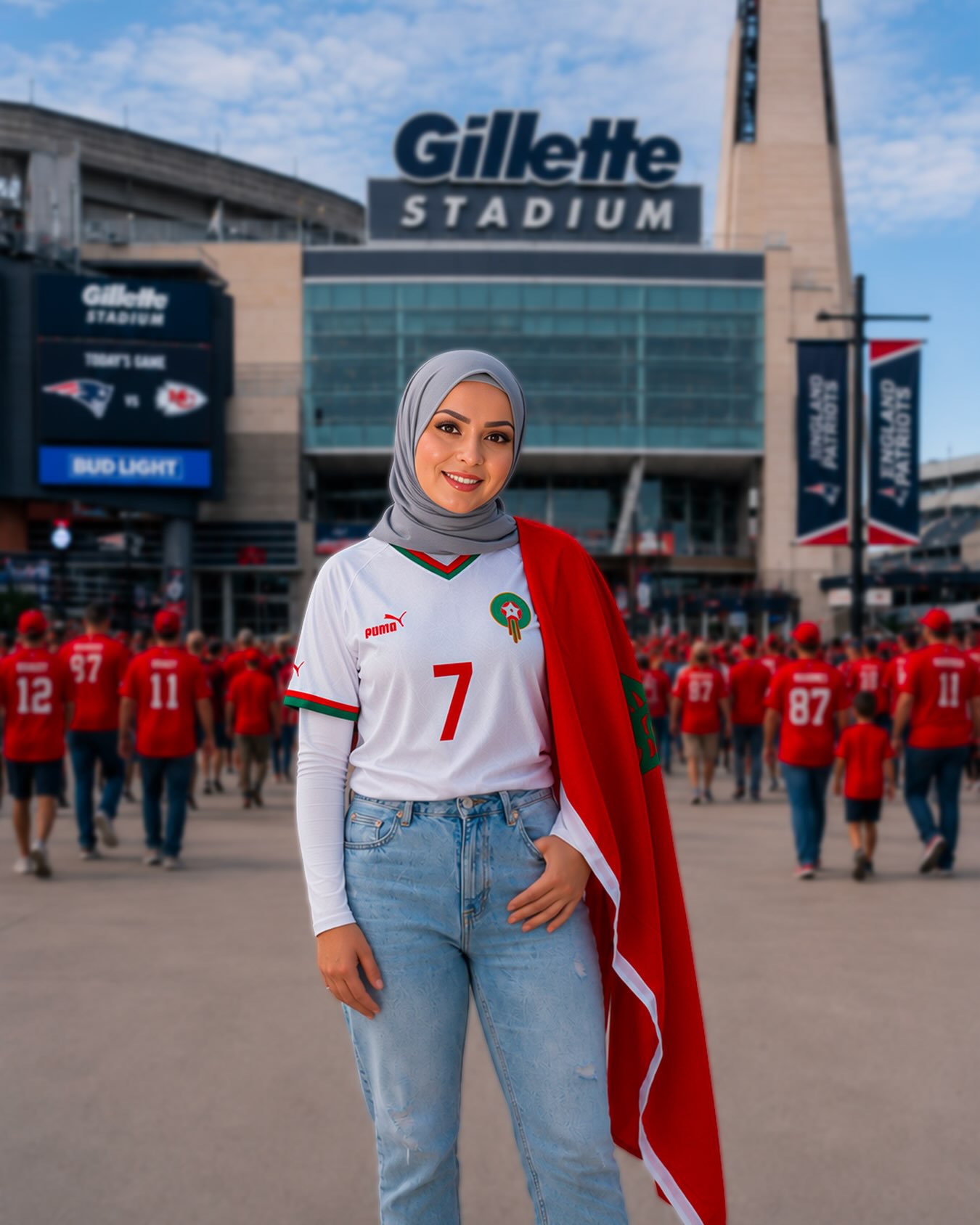
Kenza Layli won Miss AI 2024, according to competition coverage and Fanvue’s communication. The case lets us explore a virtual identity rooted in a specific cultural context. The recognition belongs to 2024; it appears here for its communication questions, rather than as news from 2027. Source for the award.
What a brand can learn. Review context alongside character details. Language, references, clothing, settings and interactions with an audience should have a purpose. Working across markets requires more than translating a script: review what feels familiar, what needs explaining and which visual decisions alter a piece’s meaning.
A local business can begin with its everyday culture. Opening hours, neighbourhood, a way of welcoming customers or questions heard by the team provide more specific material than a generic personality. That knowledge can become original scenes and messages, with human review preserving the nuances.
How to choose an AI influencer for a 2027 campaign
After looking at the characters, look at the proposal. A brand’s choice depends on what it needs to communicate and its desired audience relationship. An entertainment account might introduce an idea memorably; an owned spokesperson can develop explanations over time. These approaches have different production and evaluation needs.
| Question | What to review | What to request before production |
|---|---|---|
| Does it fit the brand? | Personality, subjects and content context | A script and sample of the creative treatment |
| Is the community relevant? | Comments, language and responses to comparable pieces | Dated account and format information |
| Does identity remain consistent? | Face, voice, clothing and attitude across pieces | Approved references and review criteria |
| Is the partnership well defined? | Channels, versions, duration and responsible people | Scope of use and approval process |
| How will we know it helps? | Each piece’s objective and subsequent journey | Attention, visits and enquiry indicators |
For a small trial, we would propose one objective, a format and a clear destination. For example, introduce a product category and lead to a page for comparing options. Then review the piece and response: how much is watched, which questions it prompts and whether visits reach the needed content. A recognition campaign and a commercial-enquiry campaign call for different interpretations.
Transparency is part of personality, too
Explaining that a character is virtual helps establish the relationship its account offers. Put that information in the bio, introduction and relevant labelling tools. For European campaigns, review applicable transparency obligations by content and participant role. The European Commission publishes guidance on Article 50 of the AI Act, including categories and exceptions requiring case-specific assessment.
The creative question is straightforward: what must a viewer know to understand who is speaking? They should also recognise commercial partnerships. Resolving that context through scripts and layout supports a consistent identity and helps the team review every version using the same criteria.
Questions about AI influencers in 2027
Which AI influencer is best for a business?
One that fits its audience, message and format. This selection illustrates different creative decisions. For a specific campaign, review community, content proposal, available information and partnership terms. Also consider whether the brand needs a one-off collaboration or an owned character.
Are all virtual influencers made with AI?
Virtual characters can be produced through different techniques, including digital animation. Check AI use with project sources. An artificial-looking image alone cannot reconstruct an account’s whole creation process.
Can a character gain followers without generating sales?
Yes. Responding to entertaining content and deciding to buy are different steps. Evaluate commercial campaigns by defining the journey towards a product or service and measuring relevant actions. Followers and views provide reach context without completing that analysis.
How much work goes into an AI account?
Conceptualisation, scripts, visual production, review, editing and publication management. Workload depends on character complexity and formats. Maintaining the same person, a coherent voice and an interesting calendar requires an editorial process, even when some generation tasks are quick.
Why include earlier cases in a 2027 edition?
2027 identifies the planning year. Examples explore resources and projects documented through October 2026. We preserve original dates and separate facts from our interpretation of possible brand applications.
To develop your own character, continue with how to create an AI influencer in 2027 and compare tools for producing its image, voice and video. To connect the character to a broader plan, explore our digital marketing trends for 2027.
At Lead the Mood, we work on brand identity and social media management as parts of one project: what you want to say, how people recognise it and the journey you offer someone discovering your business.
Lead the Mood editorial selection and analysis for 2027, prepared in October 2026. Visuals belong to the linked creators and projects. Public figures quoted were observed on 13 October 2026. Business applications are editorial proposals; cases imply no guaranteed commercial results. Initial inspiration: Yago de la Sotilla’s Make it Real newsletter, expanded through original profile and source research.