An AI avatar can introduce your product, explain a question and appear in twenty videos without booking twenty mornings of filming. Sounds promising. But marketing starts with deciding what is worth saying, who needs to hear it and what should happen next. The attractive face comes later.
AI avatars for marketing in 2027 offer an interesting route for teams with knowledge, ideas and products that struggle to turn all of it into video. We’ll explore practical uses, real examples and a sensible way to bring them into a strategy. With original provider visuals and without pretending that a synthetic presenter fixes a dull message.

What is an AI avatar for marketing?
It is a digital presenter assigned a performance: a script, a voice and a scene. It can resemble a person, represent someone from the business with their permission or have an illustrated appearance. Within a video, its job is to give the message a face and a pace. The product, commercial proposition and editorial responsibility still belong to the brand.
Three things often end up in the same category. An avatar video performs a prepared script. A conversational avatar responds during an interaction and needs a system capable of supporting those answers. An AI influencer develops an identity and an ongoing relationship with an audience. They share technologies, but they require different decisions.
If you want to build a character with its own community, see our selection of AI influencers for 2027. Here, we focus on marketing production: videos that explain something, lead to a useful page or support a campaign. The video needs to earn its place in that journey.
Four avatar formats and four brand decisions
| Format | When to consider it | The question before production |
|---|---|---|
| Stock presenter | Recurring explanations and quick pilots | Does this face and voice fit the way we communicate? |
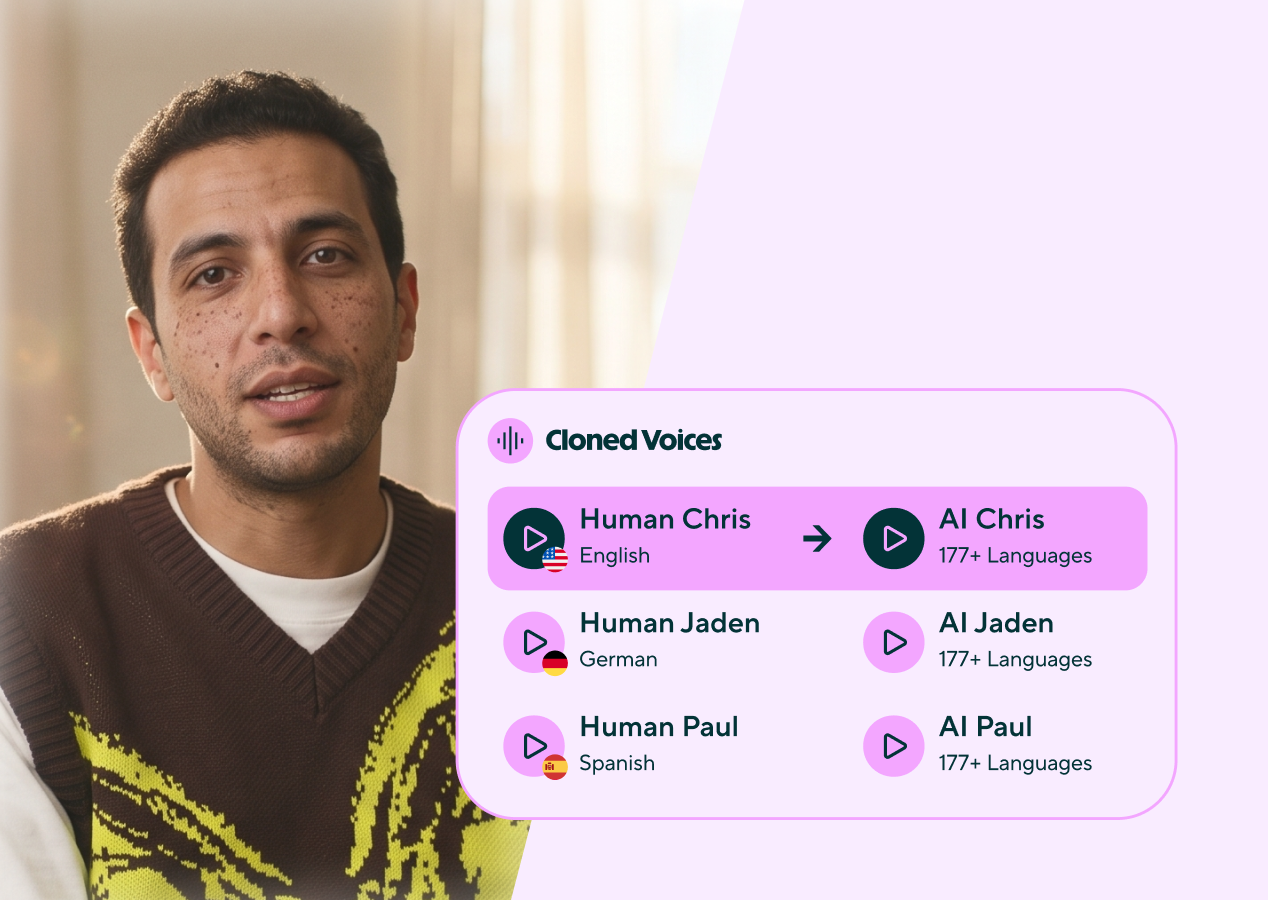
| Authorized digital twin | Content associated with someone from the business | Who approves each performance, and what use has been agreed? |
| Illustrated character | Educational content and a recognizable visual world | Does it have a role, or have we given a mascot a script? |
| Conversational avatar | Guidance and experiences that require answers | What can it answer, and when should a person take over? |
A stock presenter may be the quickest choice. It may also become the face of many other brands. If visual identity matters, work on the setting, editing, colors and way of speaking. Personalization starts well before you place a logo in the corner.
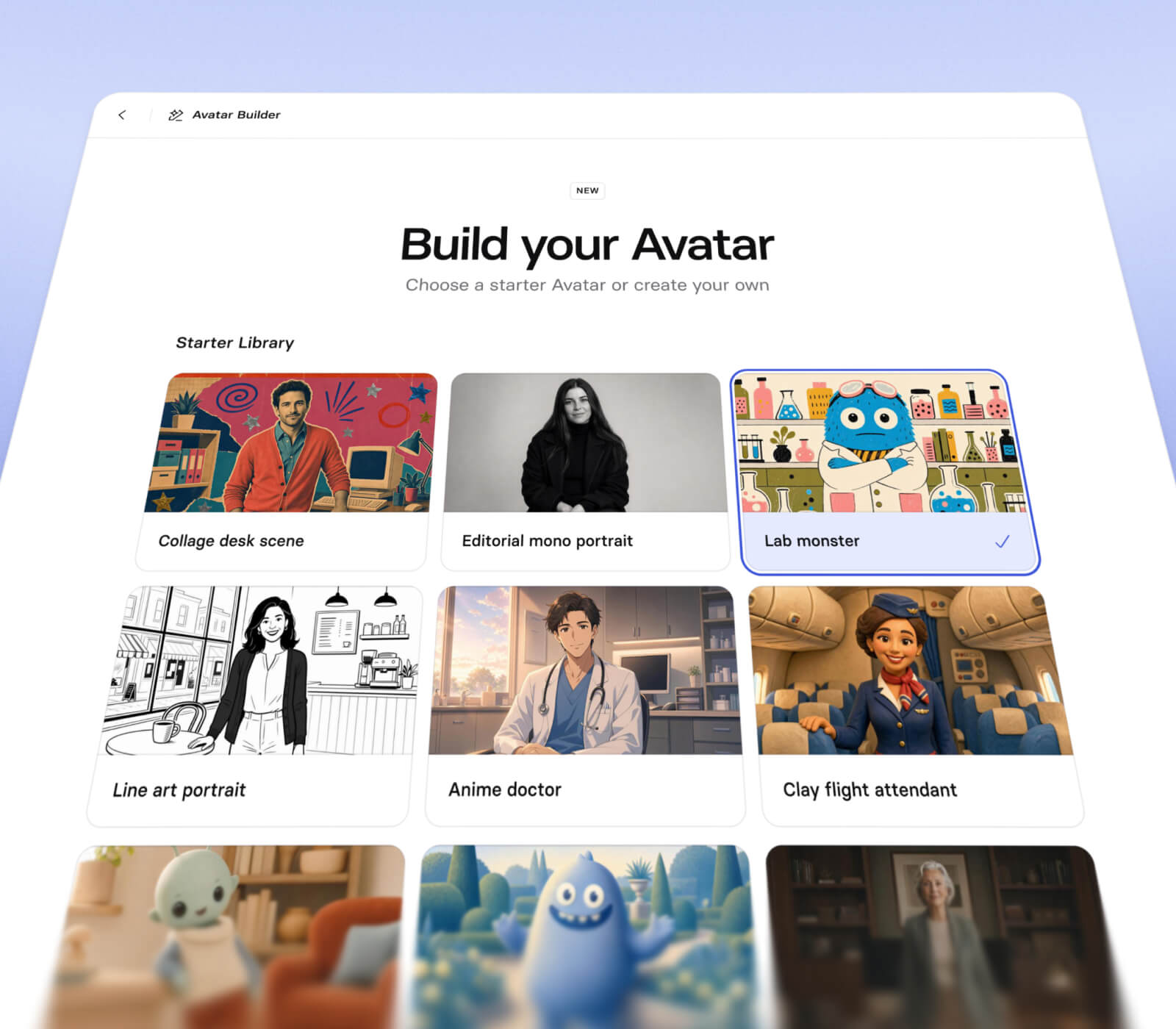

An illustrated character can communicate better than a nearly perfect human. Brand consistency is not measured by the number of pores on a presenter’s face. A deliberately graphic appearance can establish a distinctive language; then you need to direct the script so that personality carries through into speech.
Eight ways to use AI avatars for marketing
1. Answer questions that hold up a purchase
Start with conversations your team repeats. What a service includes, how to choose an option or what happens after someone requests a quote. A real question usually leads to a more useful video than a topic selected because it sounds sophisticated. Write an answer with an example and finish on the page that explains it further.
The combination works particularly well when the face introduces the question and the rest of the video shows the answer. If you discuss software, show its screen. If you explain a finish, show the material. Keeping the avatar talking throughout is an editing decision, not a requirement of the format.
2. Keep an expert’s videos moving
Some people have plenty to share and very little time to film it. An authorized digital twin can help turn their notes into regular explanations. That person should still contribute ideas, correct details and approve content published with their likeness. The saving is in part of production, not in removing review by the person who understands the subject.

3. Make product content with a demonstration in view
An avatar can introduce a use and accompany real footage. For software, the evidence is an action visible in the product. For an object, the detail lies in how it works and what it looks like. The more specific the demonstration, the fewer enormous adjectives you need. Let the product do some of the persuading.
Prepare a small footage library: an overview, a detail, an action and a visible outcome. With those materials, you can build several explanations without making all credibility depend on a person who only appears on screen.
4. Produce educational social media videos
A recognizable series can answer one question per episode: an objection, a common mistake, a comparison or a tip people can apply. Keep an opening, example and ending, but allow variation. If every episode begins with the same phrase and pose, the supposed saving becomes fatigue.
Bring these videos into your social media strategy. Combine them with real people, your team’s work, demonstrations and authorized customer content. An account needs a richer life than an endless queue of faces looking at the camera.
5. Adapt campaigns for different languages
Preparing versions means more than replacing words and pressing export. The pace, cultural references, objections and even caption length change. Work on each script in its destination language and have someone fluent review the voice. A technically correct sentence can still sound like a catalogue translated at three in the morning.

6. Support emails and landing pages
A short video can explain why someone should download a guide, prepare for a meeting or watch a demonstration. In an email, linking to a page with a player and transcript is often more practical. On that page, the call to action should continue the video’s message. Avoid sending a specific explanation to a homepage where visitors must search for everything again.
7. Explore advertising approaches
The format lets you prepare different openings, angles and presentations. Its value lies in learning which argument interests people, not in manufacturing a hundred indistinguishable versions. If you change the script, actor, product and audience together, you may see which ad wins, but you will have fewer clues about why.


8. Improve customer welcome and education
Marketing continues after the sale. A video can guide a customer through a first step, explain where to find help or introduce a feature already available to them. Here, quality shows in whether the person completes a task. A smiling presenter cannot compensate for an ambiguous instruction or a screenshot of an outdated product version.
Real examples and what we can learn
The cases below come from original sources published by the businesses involved or their providers. They help us study communication decisions. Our assessment is editorial; we have not run these campaigns or checked results inside their accounts.
Reply.io and its founder’s knowledge
HeyGen describes Reply.io’s team using avatars of Oleg Campbell for his TikTok videos in an initiative started in 2023. Read the original case.
The interesting decision is to start with someone who has something specific to contribute. To apply it in your business, first collect their ideas and examples, then turn one idea into a video. Without a point of view behind it, a digital twin simply lets you publish more interchangeable sentences.
Ratava and combined production
In the case published by HeyGen, Ratava combines traditional filmmaking and avatars for communications, marketing and sales projects.
The mix interests us. A small team can film the elements that provide identity—the space, product and real work—and reuse them in directed videos. You do not have to choose one visual language for everything. Keep the camera for what benefits from physical presence and use a digital presenter where it helps explain.
trivago and localization
The trivago case with HeyGen describes adapting television ads for different markets. This is video localization, a different task from inventing an influencer.
For a multilingual project, the lesson is to design for those versions from the beginning. Editable screen text, a script separated into scenes, an identifiable product and an adaptable ending. If you build everything as one closed film, each new version forces you to undo part of the work.
Cadbury and an idea from before this wave of tools
Ogilvy documents Shah Rukh Khan My Ad for Cadbury, a campaign using machine learning to create ads featuring the actor that also promoted local businesses.
The example encourages us to think about the creative system, not just the presenter. Technology supported a relationship between a brand, a recognizable figure and specific businesses. For your project, the equivalent question is what personalization adds that a generic version cannot resolve. Putting someone’s name in a greeting is not always enough.
A small plan to start making useful content
An original Lead the Mood exercise
Imagine Estudio Nexo, a fictional business selling a booking tool for small companies. The exercise aims to explain how it works and generate demonstration requests. It is not a client, a completed campaign or a performance test.
How can a business confirm appointments without losing track?
Show a booking from beginning to end on a demonstration screen.
Lead to a page explaining the feature and offering a demo.
In week one, we would collect five real questions from the sales team and choose two. In week two, we would write two videos and prepare product footage. In week three, we would publish reviewed versions on one channel and a landing page. In week four, we would look at the questions raised, visits arriving and requests relevant to the business.
This schedule is a proposed workflow, not a promised deadline. A regulated product or campaign with several reviewers may need more time. We want a manageable pilot: enough material to learn and little enough complexity to make corrections.
What to prepare for avatar marketing in 2027
This is a 2027 planning guide built from features and examples checked in October 2026. The direction we propose comes from those references and production criteria. We do not present future results as facts or announce features that providers have not released.
Less endless talking head, more scene direction
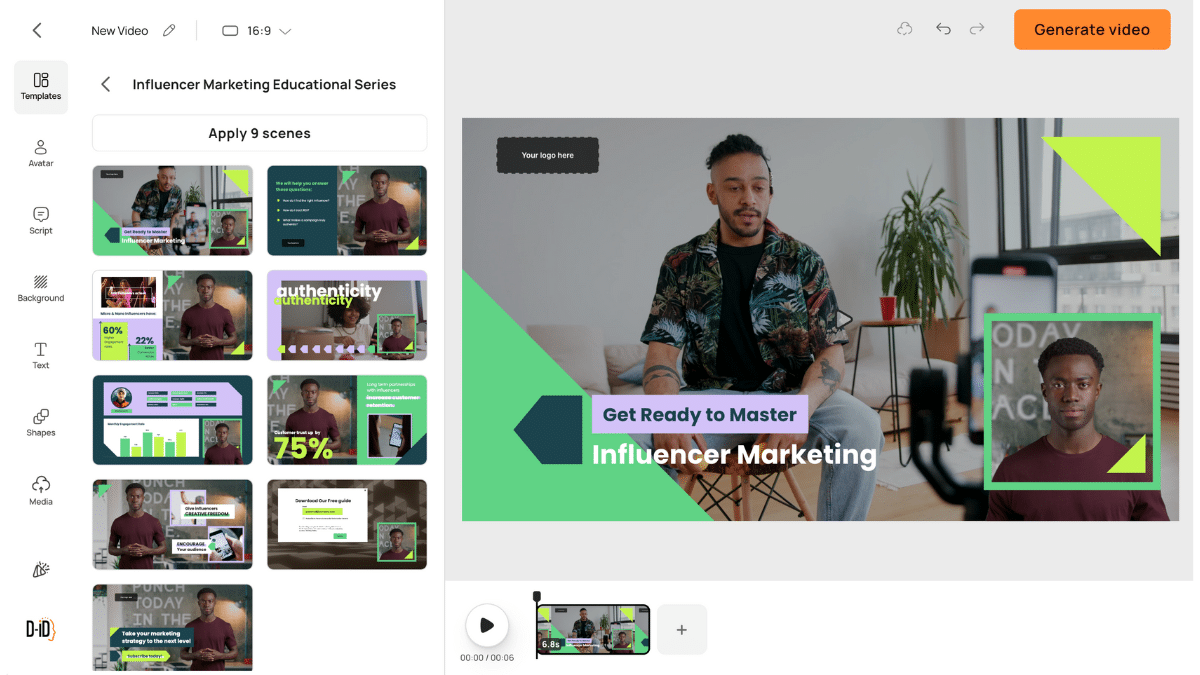
The face can introduce an idea and return at the end; in between, the video can show a process, object or comparison. Preparing interchangeable scenes gives you more room to adapt a video without repeating the entire shoot. It also lets you update a specific feature when the product changes.
Presenters serving a recognizable identity
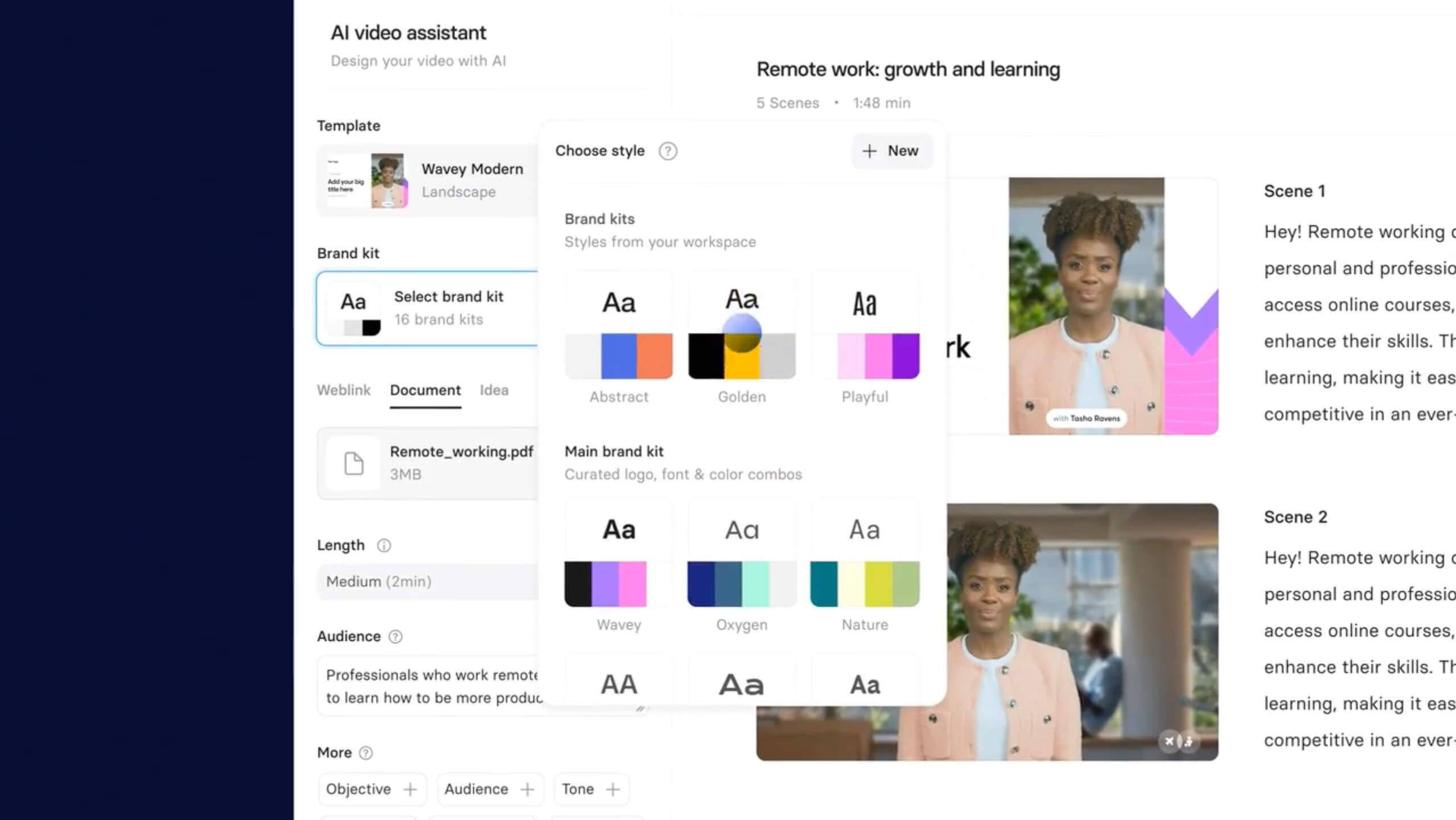
Define the tone, framing, clothing and pace that belong to your brand. Aim for a video people recognize before the logo appears. Keep approved examples alongside examples that do not fit. That concrete comparison helps a team more than an open instruction such as “make it premium.”

Treat video and conversation as separate projects
Synthesia introduced Sessions in October 2026, with interactive avatars for conversations. It is a reference for exploring the format, not a promise that any stock avatar video answers questions.
A conversation adds decisions about knowledge, boundaries, maintenance and handover to a person. Before placing it on a commercial page, test questions outside the script and answers the system should not invent. A face does not turn an uncertain answer into a reliable one.
How to tell whether an avatar helps your marketing
Separate production, attention and business outcomes. For production, record total preparation and review time, corrections and the cost of usable videos. For attention, observe where viewing drops and which questions the content raises. For the business, track relevant visits, demonstration requests and request quality. Different questions need different data.
A video may be quick to produce and commercially unhelpful. Another may reach few people and explain exactly the question holding up a sale. Compare content pursuing the same objective and keep audience or distribution changes clear. Do not credit the avatar for everything a better script may have done.
Connect production with your editorial content and the wider plan. A good video can expand a guide, support a commercial page and feed a social series. That continuity gives the work a life beyond one post.
AI marketing avatar FAQs
Which avatar should a small business choose?
For a pilot, prioritize a clear voice, a suitable style and a workflow that is easy to review. Start with one commercial question and evaluate a complete video. You do not need a complex character to find out whether the format explains your offer.
Can an avatar replace someone from the team?
It can perform a prepared message, but someone still needs to supply knowledge and approve the content. If it reproduces a person’s likeness or voice, agree the use with them. Video generation capability does not replace that decision.
Can avatars be used in ads?
They can form part of the creative. Support them with the product and demonstrable arguments, and review the publishing channel’s requirements. A synthetic actor should not appear as a real buyer describing an experience they never had.
Which tool do I need?
It depends on whether you want a recurring presenter, several scenes, language versions or advertising creative. Our AI avatar generator comparison helps make that choice specific.
Where do I go to make the first video?
Continue to how to create AI avatar videos. For paid acquisition, read how to create ads with AI avatars, covering openings, variations and measurement.
At Lead the Mood, we want technology to help say something better. The avatar can supply the face. The brand needs to supply the idea, evidence and a next step worth taking.
Sources checked in October 2026. Visuals are attributed to their providers. Historical cases retain their context, and planning recommendations are original editorial analysis. We have not run comparative tool tests and do not promise campaign results.