Chemicals and Raw Materials
A chemical catalogue
buyers can use
Turn hundreds of references, specifications and documents into a clear technical sales system.
A chemical catalogue is not a brochure. It is the tool a buyer, formulator or distributor uses to compare grades, applications, approvals and availability. When it lives in a single PDF, that information is difficult to find, impossible to measure and too easy to let go out of date.
We structure the range around the way customers actually evaluate it: product families, technical parameters, applications, downloadable documentation and clear routes to the right commercial contact. The catalogue can then work as a website, an export-ready document set and a resource sales teams can share with confidence.
The aim is not to make the range look larger. It is to make every relevant reference easier to understand, specify and request.
In chemicals, the decision rarely rests on a single claim. Buyers need to reconcile performance, compatibility, regulatory status, available grades and supply reliability. That is why the information needs a disciplined vocabulary: one term used consistently across product pages, documents, sales decks and the people who answer the first enquiry. When that chain is broken, a capable portfolio appears harder to buy than it is.
We also consider the distribution route. The same technical story must work for an end user, a formulator and a distributor without hiding the detail that makes the company useful. Clear foundations reduce repetitive technical questions and leave sales teams more time for the conversations where their expertise really matters.
The catalogue also needs governance. Someone must be able to update a reference, retire an obsolete document, mark the right version and preserve the path between a product, its application and the proof a buyer expects. We design that working model alongside the visible experience, so the structure remains reliable after launch.
Where the range is complex, search and filters are not decorative. They help users narrow the offer using the terms they already know: chemistry, specification, industry, process or intended result. That reduces friction at the exact moment somebody is trying to decide whether to contact you.
What's included
Catalogue architecture
Product families and filters follow real technical evaluation needs.
Datasheet system
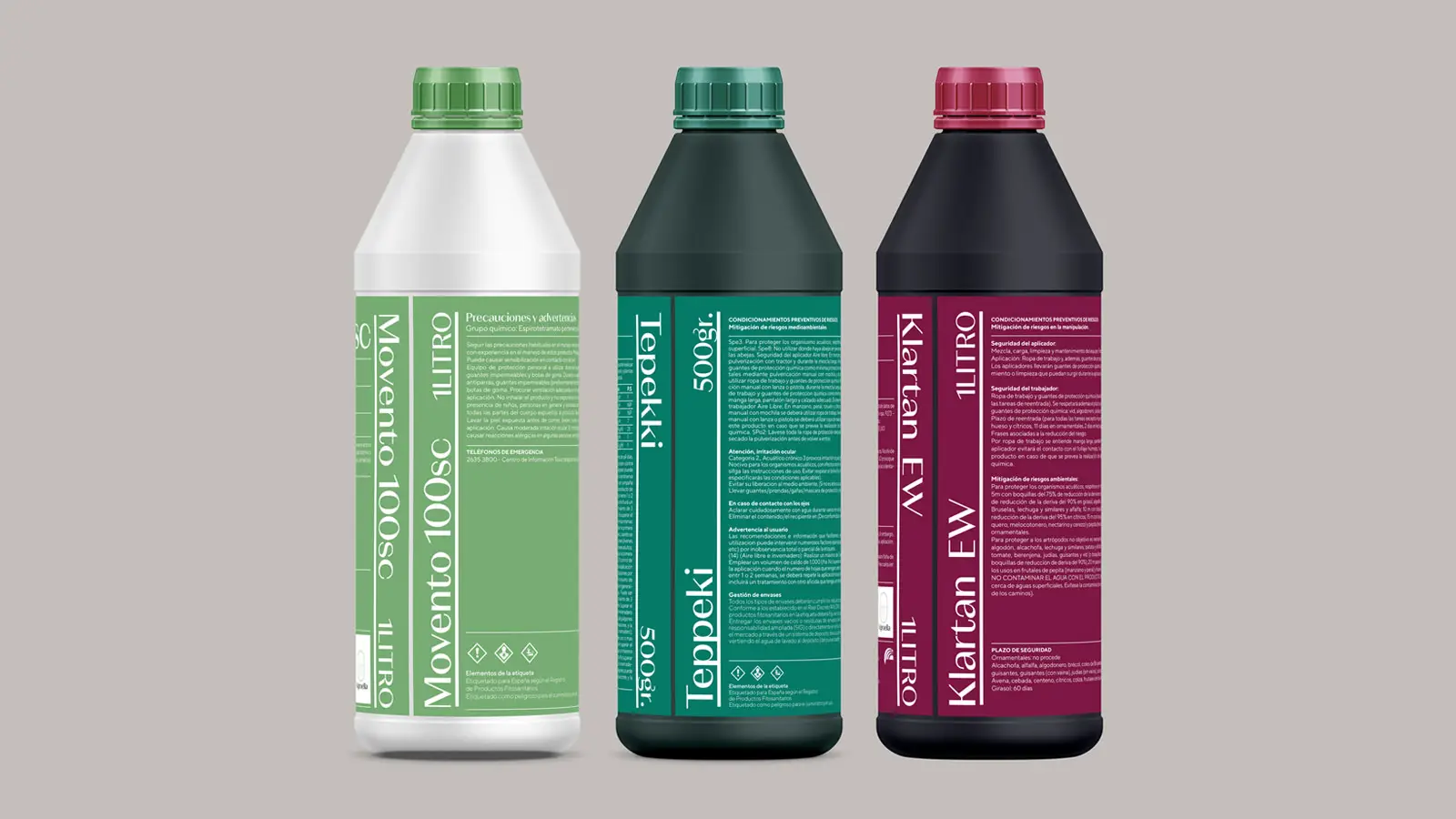
Technical and safety documentation is organised, versioned and easy to reach.
Application structure
References are connected to the problems and markets they solve.
Commercial routes
Every product has a clear next step for samples, advice or quotation.
How we work
Data audit
What information exists, where it is and what state it is in.
Product model
Attributes, families, applications and relationships.
Build and load
Templates, import and quality control.
Indexing
Structured data, sitemap and tracking.
Frequently asked questions
Can we keep the current PDFs?
Yes. We audit what is still useful, then build a clearer system around documents that need to remain downloadable.
Can distributors use it too?
Yes. The structure can support the information and language versions distributors need.
Does it work with hundreds of references?
That is exactly the situation where structure and findability become most valuable.
Digital assessment
for your plant
We review your catalogue, your technical site, your search and AI visibility, and how you reach the specifier. Prioritised report, no obligation.